
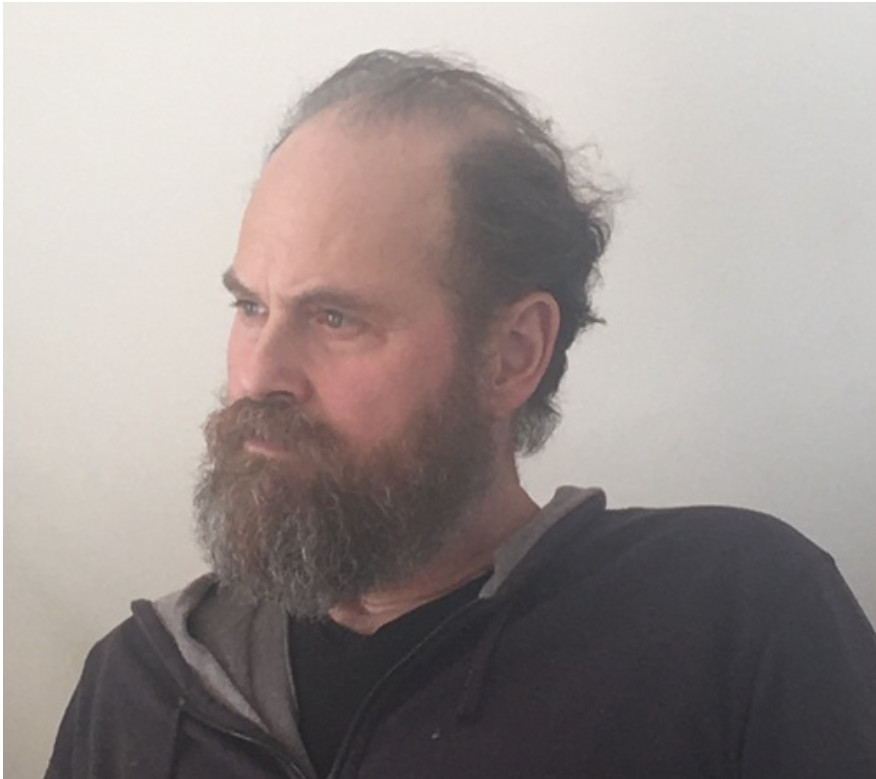
Philosopher of Mind No. 1: Alva Noë
Alva Noë doesn’t whisper. He walks into the room, looks at the reigning orthodoxy of neuroscience and cognitive science that has gathered, and says, “You folks are all looking in the wrong place.”
For decades, we have been told that if we want to understand consciousness, we must look inside the skull. Study the neurons. Map the circuitry. Track the fireworks. And while that research has been dazzling, Noë asks a rather disruptive question: what if we have been searching for consciousness where it isn’t?
In his book, Out of Our Heads, he makes his position unmistakably clear. Consciousness is not something that happens in the brain. It is not a private movie projected inside the head. It is something we do, something we achieve. It’s a lot more like dancing than digestion.
That metaphor matters.
For Noë, consciousness is embodied, active, and world-involving. The brain is essential, yes. But it is part of a larger dynamic system: a living organism in continuous engagement from the very beginning with its environment. Remove the body or the world from the picture, and you have amputated the phenomenon you are trying to explain. Consciousness requires both.
He pushes just as hard on perception. The tidy textbook story that vision is an internal reconstruction of a world outside us? Too simple. Too passive. Too Cartesian. Seeing is not the brain’s attempt to rebuild a reflected image. It is the result of a skillful interaction between us and our environment that reveals a world that is already there.
What I appreciate most about Noë is not merely his boldness, but his refusal to retreat into mysticism. He is not trying to make consciousness magical. He is trying to make it larger, to insist that mind science give pride of place to the whole, environmentally-embedded being.
That stance unsettles more than a few people. It should.
If Noë is right, then some of our most prestigious assumptions about mind and brain require reexamination. Not because neuroscience is wrong, but because it is incomplete.
Reading Noë felt less like learning a new theory and more like widening a lens. He doesn’t solve the hard problem. He terraforms the terrain on which the problem is posed.
And that, in philosophy of mind, is no small thing.
Welcome to the Philosophers of Mind, Alva Noë.